

You notice bites, check the mattress, and start looking for smells bed bugs don’t like to keep them away.
At first, it sounds simple.
It makes sense. Lavender, peppermint, vinegar, tea tree oil, and rubbing alcohol all sound simple. Spray something strong, make the bed bugs uncomfortable, and hope they leave.
The truth is, smells may bother bed bugs for a short time, but they do not reach hidden bugs or eggs.
In this guide, you’ll learn which smells may affect bed bugs, what may kill exposed ones, what attracts them, and what actually works.
Key Takeaways
- Smells may irritate or repel bed bugs for a short time, but they do not remove a full infestation.
- Strong scents can push bed bugs into new hiding spots, making the problem harder to find and treat.
- Lavender, peppermint, tea tree, eucalyptus, clove, vinegar, lemongrass, and cinnamon may offer limited short-term relief only.
- Rubbing alcohol can kill visible bed bugs on contact, but it evaporates quickly and does not reach hidden bugs or eggs.
- Bed bugs hide deep in mattress seams, cracks, furniture, bedding, and nearby surfaces, where surface scents cannot reach.
- The real fix is heat, washing, vacuuming, encasements, clutter reduction, monitoring, and proper bed bug treatment, not relying on smells alone.
Do Smells Really Repel Bed Bugs?
Some smells may repel bed bugs for a short time, but they do not solve the infestation.
That’s the part most people miss.
A strong scent can make one area uncomfortable. But bed bugs are small, flat, and good at hiding. If they don’t like the smell on your mattress edge, they may move to the bed frame, baseboard, nightstand, couch, or wall crack instead.
Here’s what usually happens:
- Smells may push them away, not remove them: Strong scents can disturb bed bugs, but that does not mean they leave your home. They often move to another nearby hiding spot.
- They don’t reach where bed bugs hide: Bed bugs stay in mattress seams, cracks, furniture joints, bed frames, baseboards, and clutter. Surface scents usually don’t reach deep enough.
- They don’t fix the egg problem: Even if a scent affects some active bugs, eggs can remain hidden and hatch later.
- The effect fades quickly: Essential oils, vinegar, and other scents wear off. Once the smell weakens, bed bugs can return to the same areas.
Example: You spray peppermint oil around your bed. For a night or two, activity may seem lower. But if bed bugs move behind the headboard or into the frame, the infestation is still active.
Simple rule: smells may help as a temporary support, but they are not a full bed bug treatment.
9 Smells Bed Bugs Don’t Like
No smell can fully get rid of bed bugs by itself.
But some strong scents may make certain spots less attractive for a short time. Think of these as temporary deterrents, not final solutions.
1. Lavender
Lavender is one of the most common scents people try for bed bugs.
It has a strong smell that may irritate bed bugs and make treated surfaces less comfortable. Some people use diluted lavender oil around bed frames or bedding areas. The problem is that it won’t reach bugs hiding inside seams, cracks, or furniture joints.
2. Tea Tree Oil
Tea tree oil has a sharp, strong scent that may bother bed bugs on treated surfaces.
It is often mixed with water and sprayed near mattress edges, baseboards, or furniture cracks. But the effect is limited. It may disturb exposed bugs, while hidden bugs and eggs stay protected deeper inside the room.
3. Peppermint
Peppermint has a strong, sharp smell that many pests seem to avoid.
It may help reduce movement around small treated areas, like baseboards or bed legs. But it does not remove bed bugs hiding in the mattress, headboard, carpet edge, or wall gaps. Once the scent fades, activity can return.
4. Eucalyptus
Eucalyptus oil has a bold scent that can make treated areas less appealing.
It may work as a short-term repellent around surfaces, but bed bugs can simply move to untreated areas nearby. For example, spraying eucalyptus near a bed frame may not affect bugs hiding behind the headboard or inside furniture.
5. Clove Oil
Clove oil has a very strong smell and may irritate bed bugs on contact.
Some lab studies have looked at plant-based oils against bed bugs, but home use is different from controlled testing. In real rooms, the issue is coverage. If the oil does not reach hidden bugs and eggs, the infestation continues.
6. Rubbing Alcohol
Rubbing alcohol is different from most smells because it may kill some bed bugs on direct contact.
But there are two problems. First, it evaporates quickly. Second, it only works on bugs you actually hit. Hidden bed bugs and eggs usually survive. It is also flammable, so careless use can be dangerous indoors.
7. Vinegar
Vinegar has a strong acidic smell that bed bugs may avoid for a short time.
It can be used on some hard surfaces, like parts of a bed frame or floor edge. But vinegar won’t penetrate deep hiding spots, and it does not kill the full infestation. It is better viewed as a temporary scent barrier.
8. Lemongrass
Lemongrass has a strong citrus-like smell that may make treated areas less comfortable for bed bugs.
It is sometimes used in natural sprays, but it works best as a short-term deterrent. If bed bugs are already hiding in mattress seams, furniture, or cracks, lemongrass scent alone will not reach the source.
9. Cinnamon
Cinnamon has a strong scent that may discourage bed bugs from staying on treated surfaces.
Some people use cinnamon powder or oil near problem areas. The issue is that the effect is usually mild and temporary. Bed bugs can avoid the treated spot and continue hiding somewhere else until the scent fades.
These smells may make small areas less attractive, but they do not solve the bigger problem: bed bugs hide deeper than smells can usually reach.
📖 You May Also Like This “Pest Control” Article: How to Get Rid of Ants in My Bathroom (Fast Fix + Stop Them)
What Smells Kill Bed Bugs (And What Doesn’t)
Most smells do not kill bed bugs.
They may irritate them, repel them briefly, or make a surface less comfortable. But killing bed bugs is different from bothering them.
Here’s how to think about it:
- Rubbing alcohol can kill on contact: It may kill exposed bed bugs if sprayed directly. But it dries fast, misses hidden bugs, and does not solve the egg problem.
- Essential oils do not fully kill infestations: Lavender, peppermint, tea tree, eucalyptus, and similar oils may bother bed bugs, but they don’t eliminate bugs hidden deep in cracks and seams.
- No scent reaches every hiding spot: Bed bugs hide in places where surface sprays and scents usually don’t reach.
- Eggs remain protected: Eggs are often tucked away in tight spaces. If they survive, new bed bugs can hatch and restart the problem.
Example: Spraying alcohol on a visible bed bug may kill that one bug. But if ten more are hiding inside the bed frame or behind the baseboard, the infestation is still active.
EPA guidance also focuses on practical control steps like high-heat drying, vacuuming cracks and crevices, reducing clutter, using encasements, and using approved bed bug products when needed.
Simple rule: a smell may affect what you see, but treatment has to reach where bed bugs live.
What Scents Attract Bed Bugs
Some scents and signals can pull bed bugs toward you instead of pushing them away. That’s why bedrooms are such common problem areas. Bed bugs are not looking for perfume or food crumbs. They are looking for a host.

Common attractants include:
- Human scent and body odor: Used bedding, worn clothes, and body scent can help bed bugs locate resting areas.
- Carbon dioxide from breathing: Bed bugs use the air you breathe out as one signal that a person is nearby.
- Body heat: Warm sleeping areas give bed bugs another clue that a host is close.
- Dirty laundry and used bedding: Clothes or sheets with body scent can attract bed bugs and give them more places to hide.
- Warm, lived-in spaces: Bedrooms, couches, and resting areas are common because people stay there for long periods.
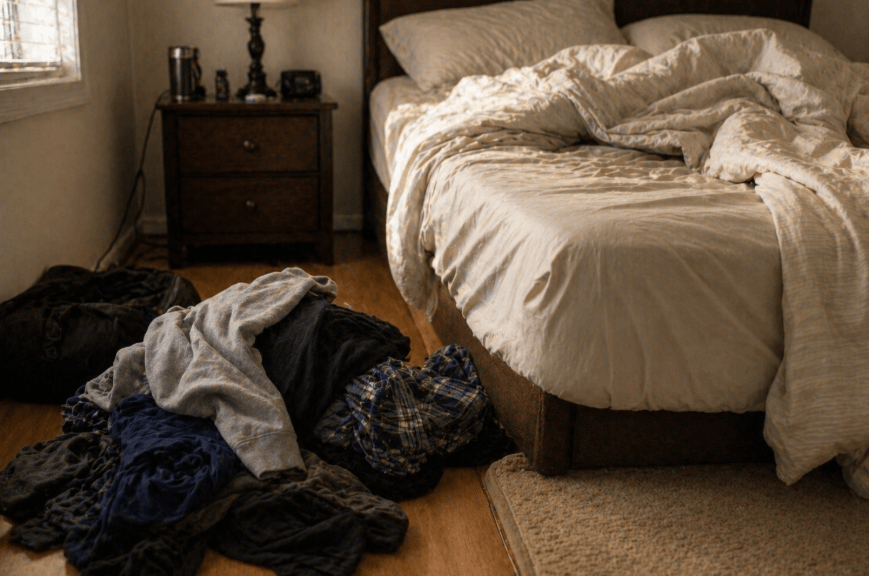
Example: Leaving worn clothes in a pile beside the bed can create an easy hiding and attraction zone. It may not cause bed bugs by itself, but it can help keep activity near your sleeping area.
Simple rule: bed bugs are drawn to where people rest, breathe, and leave body scent.
📖 You May Also Like This “Pest Control” Article: How Do I Get Rid of Squirrels Permanently
Better Ways to Get Rid of Bed Bugs (That Actually Work)
If you’re dealing with bed bugs, smells alone are not enough. The goal is to remove bugs from the places they actually hide, stop eggs from hatching into a bigger problem, and reduce the spaces where they can spread.
Here’s what works better:
- Wash and heat-dry affected items: Wash bedding, clothes, and washable fabrics, then dry them on high heat when the fabric allows it. EPA guidance lists high-heat dryer use as one practical bed bug control step.
- Vacuum carefully and often: Focus on mattress seams, bed frames, baseboards, furniture joints, cracks, and floor edges. Empty the vacuum outside right away.
- Use mattress and pillow encasements: Encasements reduce hiding spots and can trap existing bugs inside when used correctly.
- Reduce clutter near sleeping areas: Fewer hiding spots make inspection and treatment easier.
- Use bed bug interceptors: These go under bed legs and help track whether bugs are still moving toward the bed.
- Use approved bed bug treatments carefully: EPA says it has registered more than 300 products for bed bug control, but labels matter. Use only products meant for bed bugs and indoor use.
- Get help when the problem spreads: If bed bugs are in multiple rooms, keep returning, or you can’t find the source, stronger treatment may be needed.
Example: Washing bedding helps, but it won’t fix bugs hiding in the bed frame. Vacuuming helps, but it won’t stop eggs in another room. That’s why a full approach works better than one trick.
Simple rule: treat the bed, the hiding spots, the fabrics, and the surrounding area together.
Frequently Asked Questions
Can Clean Bedding and Protective Covers Help Reduce Bed Bug Bites?
Yes, clean bedding, high-heat drying, and mattress encasements can help reduce contact while you treat the problem.
These steps do not remove every bed bug by themselves, but they make the sleeping area easier to check and control.
Do Bed Bugs Live in Your Hair?
No, bed bugs do not live in your hair like lice.
They usually hide near where you sleep, then come out to feed and return to cracks, seams, furniture, mattress edges, or bedding folds.
Can Bed Bugs Hide Around Pillows?
Yes, bed bugs can hide around pillow seams, pillowcases, mattress edges, and nearby bedding.
They usually do not live deep inside pillows, but washing pillowcases and heat-drying safe items can help reduce activity around the bed.
Can Bed Bugs Live in Comforters and Thick Bedding?
Yes, bed bugs can hide in folds, seams, blankets, comforters, and layered bedding.Wash and dry safe items on high heat when the fabric label allows it. Keep cleaned bedding sealed until the room is treated properly.