

Scratching in the attic or squirrels running along the roofline usually means there’s a reason they keep returning.
If you’re asking how do I get rid of squirrels permanently, the answer is not just removing the one you see.
Squirrels come back when food, shelter, nesting space, or open entry points are still there.
That’s why quick fixes rarely last.
In this guide, you’ll learn how to remove squirrels safely, seal access points, and stop the problem from starting again.
Key Takeaways
- Squirrels keep coming back because of food, shelter, nesting space, or open entry points around your home.
- Removing one squirrel is not enough if the roof gap, attic access, nest, or outdoor attractant is still there.
- The best long-term process is: inspect the home, remove attractants, use safe exclusion, seal entry points, and prevent future access.
- Common squirrel problem areas include attics, roof edges, vents, soffits, sheds, and trees close to the roof.
- Never seal an entry point until you know squirrels are out, because trapping them inside can create more damage.
- Permanent squirrel control comes from blocking access and removing reasons to return, not relying only on sprays, smells, or quick fixes.
Why Squirrels Keep Coming Back to My Home
Squirrels do not keep returning for no reason. If they keep showing up around your roof, attic, garden, or yard, something on your property is helping them survive. It might be food, a warm nesting space, or a small opening they already know how to use. That’s why quick fixes fail. You remove one squirrel, but the setup stays the same.
What Attracts Squirrels to Your Property
- Easy food sources: Bird seed, fallen fruit, garden crops, pet food, and open trash bins give squirrels a reason to keep visiting. Once they learn food is available, they will often return to the same area again.
- Safe nesting spots: Attics, wall gaps, sheds, rooflines, and tree cavities can feel protected. If squirrels find a quiet, warm space, they may use it for nesting or shelter.
- Tree access near the roof: Branches touching or hanging close to the roof make it easier for squirrels to jump onto the house and inspect vents, soffits, and gaps.
- Openings around the home: Loose vents, damaged fascia, gaps near roof edges, or chewed holes can turn a small visit into an indoor problem.
Example: If squirrels keep running from a tree to your roof, the tree may not be the problem by itself. The real issue may be a small roof gap that they can reach from that branch.
Why Temporary Fixes Don’t Work
- Repellents fade quickly: Strong smells or sprays may bother squirrels for a short time, but they will return if food or shelter is still available.
- Open entry points stay useful: If a squirrel found one attic gap, another squirrel can use the same opening later.
- Food sources keep pulling them in: Bird feeders, fruit, or trash can undo every other step if they stay accessible.
- Nests may still be inside: If nesting material remains, the area may continue attracting activity or odor.
Simple rule: if the reason they came is still there, squirrels can come back.
Signs You Have a Squirrel Problem Inside or Outside
Before fixing the issue, you need to know where squirrels are active.
Some signs show up inside the home. Others start outside and slowly become an attic or wall problem.
Signs in Your Attic, Roof, or Walls
- Scratching or running sounds: Squirrels are often active in the morning and evening. If you hear fast movement above the ceiling or inside walls, they may be using the space.
- Chewed areas: Look for gnaw marks around vents, fascia boards, soffits, wires, insulation, or roof gaps. Squirrels chew to open access and maintain teeth.
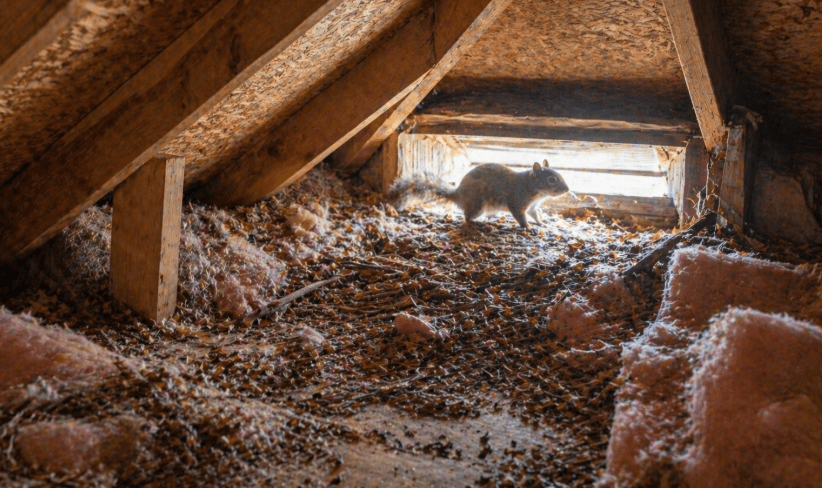
- Droppings or nesting material: Attic insulation, leaves, twigs, shredded material, or droppings can point to nesting activity inside.
- Repeated roofline activity: If squirrels keep stopping at the same roof corner or vent, that area may be an entry point.
Example: A squirrel running across the roof is not always a problem. A squirrel stopping at the same vent every day is a stronger warning sign.
Signs in Your Yard or Garden
- Digging in the lawn: Small holes may appear when squirrels bury or search for food.
- Damaged plants or fruit: Bite marks on vegetables, fruit, flowers, or bulbs can point to squirrel activity.
- Frequent fence or roof travel: Repeated movement along the same path often shows their normal route.
- Nesting in nearby trees: Squirrel nests close to your roof can increase the chance of attic exploration.
Simple rule: outdoor squirrel activity becomes a bigger problem when your home gives them easy access.
📖 You May Also Like This “Pest Control” Article: How to Get Rid of Ants in My Bathroom (Fast Fix + Stop Them)
The Only Way to Get Rid of Squirrels Permanently
To get rid of squirrels permanently, you need more than removal.
You need to stop the full cycle.
The cycle usually looks like this: squirrel finds food, finds shelter, finds entry, nests, then returns or attracts more activity. If you only remove the animal, the cycle can start again.
The long-term fix has three parts:
- Remove the attraction: Take away food, water, and nesting access.
- Remove the squirrel safely: Use exclusion methods that let squirrels leave without trapping them inside.
- Seal and prevent: Close entry points and reduce future access.
Example: If you remove a squirrel from the attic but leave the roof gap open, the attic is still available. Another squirrel can move in later.
Simple rule: removal solves today. Exclusion and sealing solve the future.
Step-by-Step: How to Get Rid of Squirrels
You need to follow the right order. If you seal too early, you can trap squirrels inside. If you remove them without sealing, they can return.
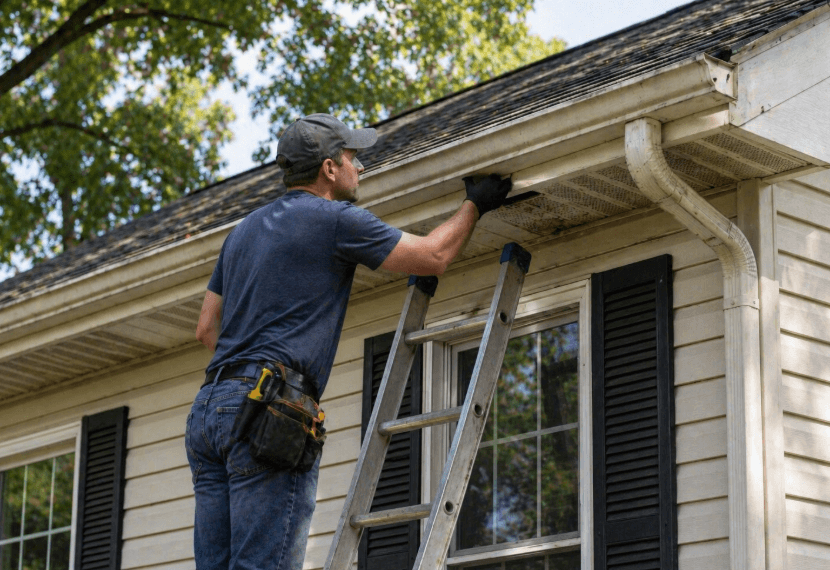
Step 1: Find How They’re Getting In
- Start with the roofline: Check vents, soffits, fascia, roof edges, chimney gaps, and areas where branches touch the house. Look for chew marks, dark rub marks, loose material, or repeated activity. The entry point is the key because you cannot solve the problem until you know how they are getting in.
Step 2: Remove Food and Nesting Access
- Take away the reason they stay: Clean spilled bird seed, secure trash, remove outdoor pet food, pick up fallen fruit, and reduce clutter near sheds or walls. If squirrels are inside, nesting materials may also need to be removed after they are gone. Less food and shelter means less reason to return.
Step 3: Block All Entry Points Except the Active Exit
- Do not seal everything at once: Close inactive gaps first, but leave the main active exit open until squirrels are out. Use chew-resistant materials like metal mesh or proper exterior repair materials. If you close the main opening too soon, squirrels may get trapped or chew a new way out.
Step 4: Use a One-Way Exit Method Safely
- Let them leave without returning: A one-way exit can allow squirrels to get out while blocking reentry. This works best when you know the active opening and have checked for young squirrels. If babies may be inside, removal needs extra care because sealing too soon can create a bigger problem.
Step 5: Seal Everything Completely
- Final sealing stops the repeat problem: Once you are sure the squirrels are out, seal the final opening securely. Recheck nearby vents, roof edges, trim, and siding. Squirrels can use small gaps, so this step needs patience. One missed opening can restart the whole cycle.
Simple rule: find the opening, get them out, then seal it for good.
📖 You May Also Like This “Pest Control” Article: 9 Smells Bed Bugs Don’t Like (And What Actually Works)
How to Get Rid of Squirrels in the Attic and Walls
Attics and walls are common squirrel hiding spots because they are quiet, warm, and protected.
Once squirrels move in, they usually do not leave permanently unless the access point is fixed.
Why Squirrels Choose Attics and Walls
- They want safety and shelter: Attics and wall spaces protect squirrels from weather and predators. These areas also make good nesting spots. Small roof gaps, loose vents, or damaged trim can give them access. Once inside, they may chew insulation, wood, or wiring while building their nest.
Safe Ways to Remove Them Without Damage
- Guide them out instead of trapping them inside: Use exclusion methods only after finding the active opening and checking for signs of young squirrels. Avoid sealing holes too early. Once movement stops and you confirm they are out, repair the entry points with durable materials.
Example: If you hear scratching in one wall, sealing the outside hole immediately may trap the squirrel inside. The better approach is to confirm the exit route first.
Simple rule: never seal until you know the space is empty.
How to Get Rid of Squirrels Outside Naturally
Outdoor squirrel problems often become indoor problems when your yard gives them food and roof access.
The goal is to make your property less useful to them.
Remove Food Sources Outside
- Clean up the easy meals: Pick up fallen fruit, secure trash lids, remove outdoor pet food, and clean up bird seed under feeders. If you use bird feeders, consider squirrel-resistant styles and place them away from rooflines, fences, and tree branches.
Make Your Yard Less Attractive
- Reduce access and hiding spots: Trim branches away from the roof, clear wood piles, close shed gaps, and remove clutter near the house. Squirrels feel safer when they have easy cover and easy routes. Reducing those paths helps lower repeat activity.
Protect Gardens and Trees
- Use barriers where needed: Netting, fencing, trunk guards, or raised garden protection can help reduce damage to fruit, vegetables, and young plants. This works best when paired with food cleanup, not used alone.
Simple rule: less food, less shelter, less access.
What Not to Do When Trying to Remove Squirrels
Some common methods make the problem worse.
You want squirrels out, but you also want to avoid trapping them, creating damage, or causing repeat activity.
- Do not seal active holes too early: This can trap squirrels inside and force them to chew new openings.
- Do not rely only on sprays or smells: Repellents fade and rarely solve entry problems.
- Do not leave food sources outside: Bird seed, pet food, and trash can pull squirrels right back.
- Do not handle squirrels directly: Wild animals can bite, scratch, or carry parasites.
- Do not ignore attic sounds: Repeated noise usually means the problem is active, not random.
Example: A homeowner may spray a strong scent near the attic vent and think the issue is fixed. But if the hole stays open, squirrels can return after the smell fades.
How to Keep Away Squirrels From Coming Back
Once squirrels are gone, prevention becomes the real work.
This is where long-term control happens.
- Seal all entry points: Repair roof gaps, vents, soffits, fascia, and siding holes with durable materials.
- Trim branches near the roof: Keep tree limbs away from easy jumping distance when possible.
- Secure trash and food sources: Use tight lids and avoid leaving pet food outside.
- Limit bird feeder access: Use squirrel-resistant feeders and clean spilled seed often.
- Check the attic seasonally: Look for new chewing, droppings, nesting material, or sounds.
- Maintain exterior repairs: Weather and chewing can reopen weak areas over time.
Simple rule: squirrels leave permanently when they lose access and lose the reason to return.
Signs It’s Time to Get Professional Support
Sometimes the issue is bigger than one squirrel in the yard.
If squirrels are inside walls, nesting in the attic, or returning after repeated attempts, you may need help identifying hidden entry points.
Get help when you notice:
- Repeated attic or wall noise
- Chewed wires, wood, vents, or insulation
- Squirrels entering the same hole
- Possible babies inside
- Multiple entry points
- Damage near roof edges or structural areas
Example: If you seal one gap but still hear scratching, there may be another hidden opening. That is why a full inspection matters.
FAQs
How Do I Get Rid of Squirrels Permanently From My Home?
To get rid of squirrels permanently, remove food sources, find the entry point, use safe exclusion, and seal every gap after they leave. If you only remove the squirrel but leave access open, another one can return.
Will Squirrels Leave on Their Own if I Block the Hole?
No. Blocking the hole too early can trap squirrels inside and cause more damage. They may chew a new exit or get stuck. Let them leave first, then seal the opening once you confirm the space is empty.
What Is the Fastest Way to Get Squirrels Out of the Attic?
A one-way exclusion method is often the fastest safe option when used correctly. It lets squirrels leave but prevents reentry. Before sealing, make sure there are no babies inside and no second entry point nearby.
How Do I Find Where Squirrels Are Getting In?
Check roof edges, vents, soffits, fascia boards, chimneys, and attic gaps. Look for chew marks, loose material, dark stains, or repeated movement in one spot. The main entry point usually shows wear from regular use.
Do Squirrels Come Back After Removal?
Yes, squirrels can come back if food sources or entry points remain. They remember safe nesting areas and reliable food spots. Long-term control depends on sealing access, cleaning attractants, and keeping the yard less inviting.